
How to Succeed in Smart Public Procurement for Sustainable Bioeconomy
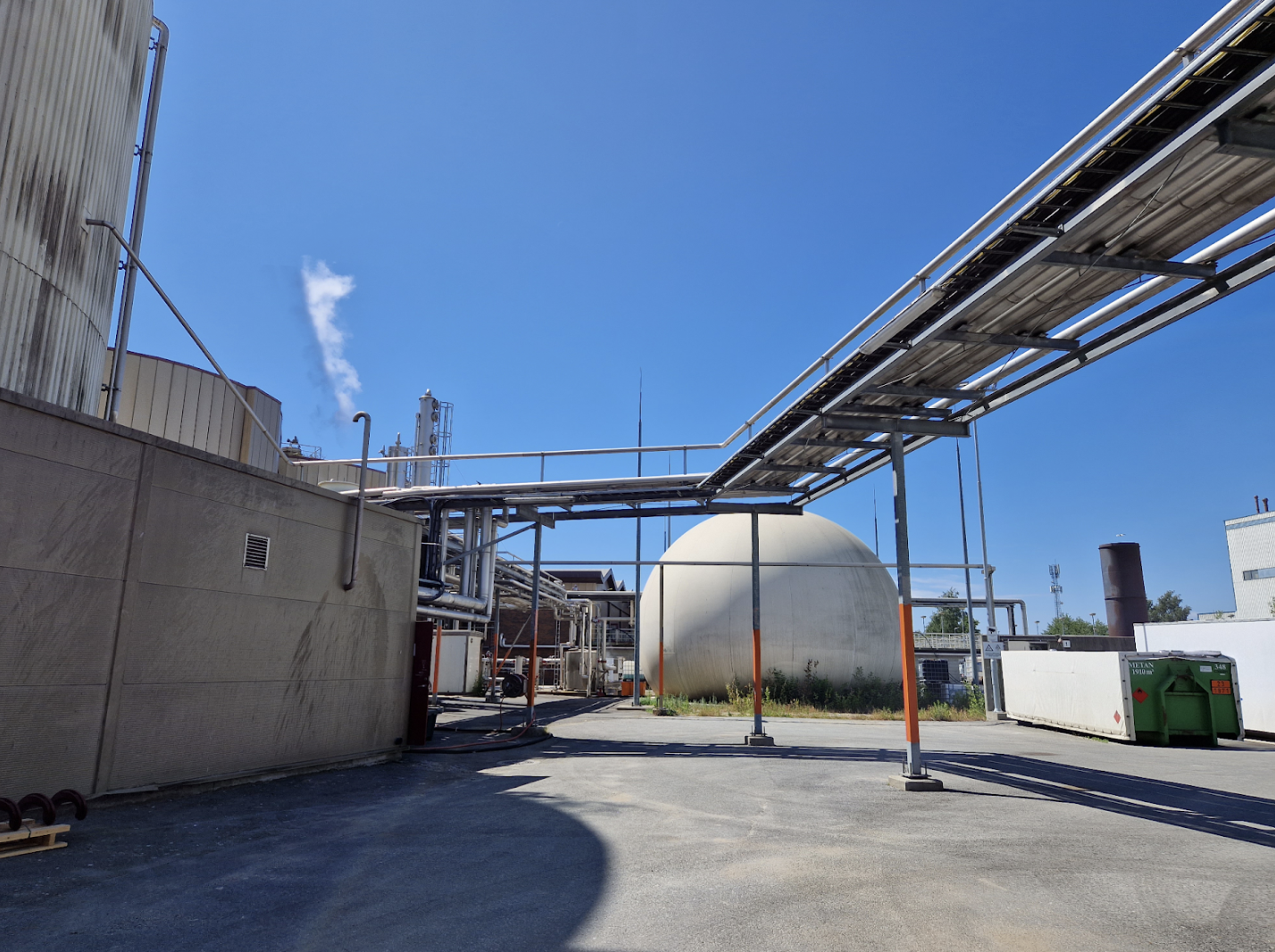
Author & Photo: Riina Kärki, The Central Union of Agricultural Producers and Forest Owners (MTK)
Public procurement plays a crucial role in shaping markets and accelerating the transition to a sustainable bioeconomy. Through strategic purchasing decisions, municipalities and public organizations can drive demand for biobased solutions that reduce emissions, close nutrient loops, and strengthen local value chains. This article explores why procurement matters, highlights key opportunities, and offers practical examples and tools for integrating bioeconomy principles into public procurement.
Read more about our use case:
The Most Important Requirements for Success
Strategic Alignment with Circular Economy, Climate, and Biodiversity Goals
Procurement should be clearly aligned with broader municipal or national sustainability strategies. Without policy alignment, biobased procurement risks remaining fragmented or symbolic rather than transformative.
Active Market Dialogue and Feasibility Assessment
Early engagement with suppliers is essential to understand market readiness, costs, and innovation potential.
Life-Cycle Thinking Embedded in Tenders and Contracts
Sustainable bioeconomy procurement must go beyond upfront price and focus on environmental impacts.
Why Procurement Matters for the Bioeconomy
Public procurement is a strategic lever for accelerating the circular bioeconomy. Municipalities and public organizations purchase goods and services worth billions annually, giving them significant influence over market development.
By integrating biobased solutions, such as biogas and recycled nutrients, into procurement strategies, the public sector can:
- Reduce greenhouse gas emissions and reliance on fossil resources.
- Promote nutrient recycling and sustainable waste management.
- Strengthen local economies and create jobs through new value chains.
- Enhance energy security and self-sufficiency.
- Strengthen climate and biodiversity actions.
Key Opportunities in Biobased Procurement
There are several concrete areas where procurement can drive the adoption of biobased solutions and deliver measurable sustainability benefits.
1. Biogas as Renewable Energy
Biogas is a versatile renewable energy source produced through anaerobic digestion of organic materials such as manure, crop residues, and municipal biowaste. It can be used in public transport, heavy-duty vehicles, industrial heating, and agricultural machinery.
From a procurement perspective, biogas offers multiple benefits. It helps lower greenhouse gas emissions, improves energy security, and reduces dependency on fossil fuels and synthetic fertilizers. By specifying or incentivizing biogas use in tenders, municipalities can simultaneously support renewable energy production and sustainable waste management.
2. Circular Fertilizers
Circular fertilizers derived from recycled organic materials—such as food waste, sewage sludge, and compost—offer a practical way to close local nutrient loops. Municipalities can apply these fertilizers in parks, sports fields, landscaping projects, and soil improvement works linked to infrastructure development.
Using circular fertilizers reduces reliance on fossil-based fertilizers, improves soil health, and turns waste streams into valuable resources.
3. Enhancing Urban Biodiversity
Beyond climate and resource efficiency, biobased procurement can also support biodiversity and nature-based solutions. Circular fertilizers can be used in urban farming initiatives that promote community engagement and local food production. They also support the establishment of meadows and pollinator habitats in parks and roadside areas, as well as green roofs and rain gardens that improve ecosystem services.
These applications increase green spaces, improve soil quality, and strengthen the link between the circular economy and biodiversity-friendly urban development.
Biogas in Public Transport: a Practical Example
Several Finnish municipalities have already taken steps to integrate biogas into their procurement processes. For instance, some cities require biogas-powered buses in public transport contracts or use biogas-fuelled waste collection vehicles.
This approach not only reduces greenhouse gas emissions but also supports local biogas producers and creates demand for renewable energy infrastructure, such as filling stations. In one case, a municipality combined biogas adoption with urban planning by reserving space for biogas fuelling stations and encouraging regional strategies that prioritize biogas as a core component of sustainable mobility.
Municipalities are Using Circular Fertilizers in Green Areas
Municipalities manage extensive green spaces: parks, roadside vegetation, and sports fields, which require regular soil maintenance. By specifying circular fertilizers in landscaping contracts, cities can reduce dependency on synthetic fertilizers and close local nutrient loops.
For example, a municipality piloted the use of compost-based fertilizers derived from municipal biowaste in park maintenance projects. This not only improved soil health and biodiversity but also created demand for local recycling facilities, turning waste into valuable resources.
Checklist for Procurers
To move from pilot projects to systematic implementation, procurers need practical tools. The following checklist supports the integration of biobased solutions into procurement processes.
1. Market Readiness & Biogas Adoption
Procurers should assess supplier readiness through market dialogue and for example consider encouraging biogas vehicles across public procurement. Exploring incentives or requirements for low-emission transport can help ensure feasibility and impact.
- A question for the procurer to consider:
- Have you assessed the market’s readiness for e.g. biogas vehicles, for example through supplier dialogue?
2. Policy Alignment
Bioeconomy objectives should be clearly included in procurement strategies or circular economy plans. Measurable targets—such as shares of biogas vehicles or recycled nutrients—help translate policy into action, while ensuring alignment with climate and biodiversity goals.
- A question for the procurer to consider:
- Are bioeconomy and circular economy objectives clearly integrated into your procurement strategy or action plans?
3. Market Dialogue
Engaging suppliers early helps assess availability, costs, and innovation potential. Requests for Information (RFIs) and structured dialogue can uncover climate- and biodiversity-friendly practices before tenders are launched.
- A question for the procurer to consider:
- Have you engaged suppliers early on to understand availability, costs, and opportunities for innovative, climate- and biodiversity-friendly solutions?
4. Tendering Criteria
Tender documents should include minimum requirements for biobased content or renewable energy use. Award criteria can be based on life-cycle cost (LCC), carbon footprint reduction, and circularity indicators, with climate and biodiversity impacts included in sustainability scoring.
- A question for the procurer to consider:
- Do your tender documents include requirements and award criteria that address biobased content, life-cycle costs, carbon footprint reduction, circularity, and impacts on climate and biodiversity?
5. Contract Requirements
Contracts should clearly define performance requirements, including traceability and certifications for recycled nutrients. They should also include monitoring obligations for emissions reduction and nutrient recovery, as well as safeguards to avoid harm to ecosystems and, where possible, support habitat restoration.
- A question for the procurer to consider:
- Do your contracts include clear requirements for traceability, certifications, monitoring of emissions and nutrient recovery, and safeguards to protect ecosystems and biodiversity?
6. Implementation & Monitoring
Clear indicators for emissions reduction, cost efficiency, and environmental impact are essential. Regular reporting and continuous improvement help ensure that procurement delivers long-term value.
- A question for the procurer to consider:
- Do you have clear indicators and reporting practices in place to monitor emissions reduction, cost efficiency, and impacts on climate and biodiversity?
Conclusions
Procurement is a powerful tool for driving the bioeconomy forward. When treated as a strategic function rather than a purely administrative task, it can deliver climate benefits, strengthen local economies, and build resilient energy and nutrient systems. By embedding biogas and recycled nutrients into procurement strategies—and supporting them with clear policies, active market dialogue, and practical tools—municipalities can turn bioeconomy ambitions into real-world impact.