
How to Make Your Event Circular: 10 Practical Moves That Actually Work
Authors: Marjoriikka Ylisiurua & Minna Kulju, VTT Technical Research Centre of Finland Ltd.
Events are powerful levers for circularity. Whether you run a neighbourhood festival or a city‑scale celebration, you influence how materials flow, which products are used, and what your audience learns, and takes home as habits.
Read more about one of our Use Cases:
The Most Important Requirements for Success
Reduce Waste Generation
Communicate CE expectations clearly to all stakeholders, so less material is brought to the event site. Guidance, procurement criteria and training help, alongside rewards like reduced fee for sorting.
Reuse Materials and Resources
Encourage and accept reuse of event décor, equipment, and durable signage. Enable repair and repurposing of items, by event organizers and stakeholders like visitors to spread awareness.
Enhance Recycling
Provide well‑designed sorting stations, clear signage, and sufficient infrastructure to support correct waste separation. In addition to visitors, the vendor recycling needs to be a focus point.
Ten Practices to Reduce Waste in Events
In TREASoURcE we observed live events in Finland, Norway and Estonia, analysed literature, and interviewed stakeholders. Ten practices consistently delivered results: they cut event waste, boost reuse, and make recycling easier, without sacrificing visitor experience.
1) Rethink the “Hooks” of Your Event
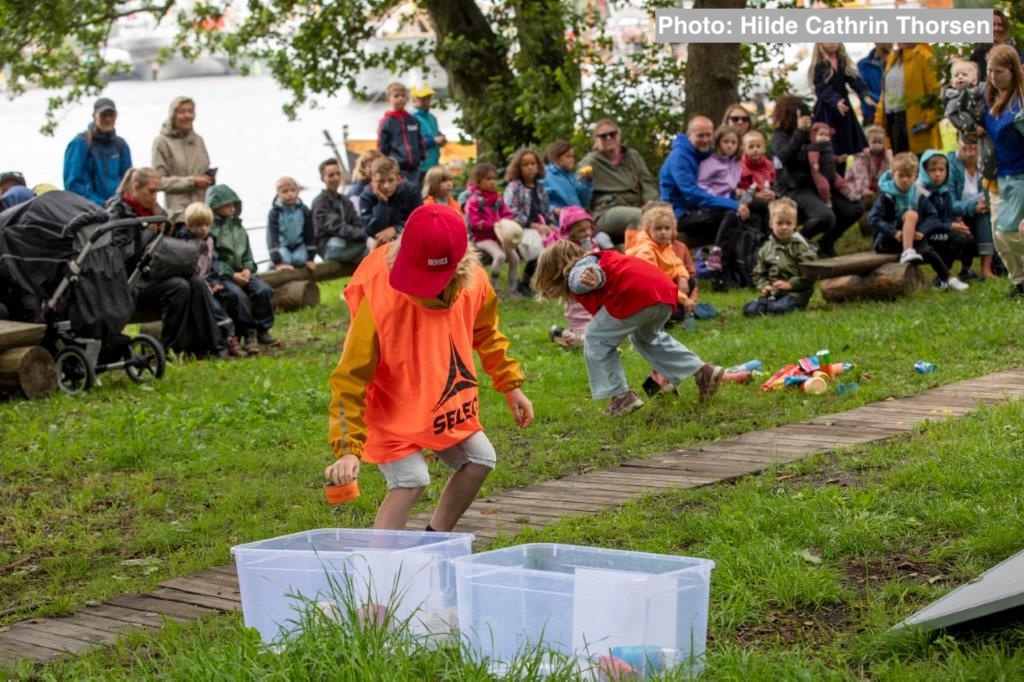
Make circularity part of the show. Live demos and short stage moments, from waste‑sorting relays to quick repair clinics, turn sorting and reuse into a social activity.
2) Reduce Material Use at the Source by Refusing Giveaways
Start with the simplest win: don’t bring waste on site. Replace single‑use giveaways with perishable rewards, such as food, or items made from recycled inputs. If sponsorships rely on swag, co‑design purposeful alternatives, or donate to a local cause instead.
3) Rethink Meals and Packaging Systems
Avoid individually packaged servings and single‑use crockery. Deploy reusable container systems with deposits; communicate how to return them and where to find stations. Encourage visitors to bring bottles and cups; free water refill points help cut plastic bottle sales further.
4) Minimise Food Waste
Ask food vendors to plan portions, track unsold items, and donate or discount surplus food. In some cities, charities or valorisation apps can support redistribution.
5) Set Expectations – and Back Them Up
Publish clear circular requirements for vendors and partners. Remember to cover materials, packaging, and signage. Reinforce them through procurement onboarding, checklists and spot checks. Rewards, such as fee reductions for best performers, help adoption.
6) Design Multi-Use Alternatives for Essential Items
Some items, such as name badges or printed venue maps, are difficult to eliminate. Make them multi‑use (e.g. name badge as a venue map and transit voucher) and from lower‑impact materials.
7) Reuse What You Already Have
Re‑use décor such as signage, stages, furniture, or rent them. Design materials for durability so they can tour with your event series, or across city partners.
8) Enable Repair Culture
Offer a repair corner for attendees’ own items, such as clothing, sports equipment and bikes. It extends product life and builds skills.
9) Repurpose Materials
Upcycle outdated banners or apparel into new goods. Showcase the story on site to normalise creative reuse.
10) Make Recycling Easy and Visible
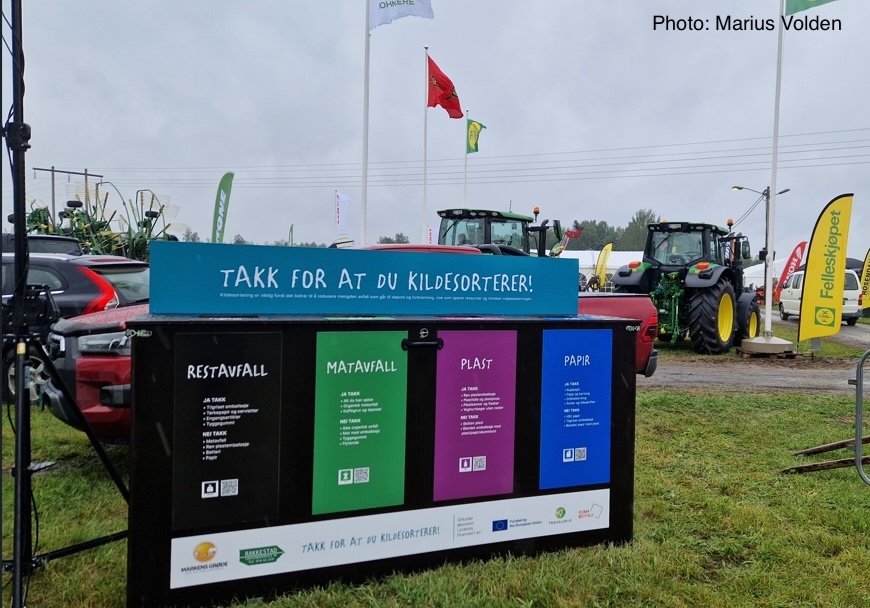
Place well‑labelled stations where waste is generated, with clear visuals for what goes where. Separate high‑value fractions such as aluminum deposit cans. Staff or volunteers nearby can nudge behaviour and answer visitor questions.
You can download your own copy of the booklet “Revolutionizing Event Planning with the Circular Economy” to make use of the learnings and recommendations.
Replicable Practices
Legislative Aspects
Practices should align with EU legislation including the Waste Framework Directive (2008/98), Landfill Directive (2018/850), PPWR (2025/40), and the Ecodesign for Sustainable Products Regulation (2024/1781). Local laws may also apply.
Technology
Effective waste collection and sorting systems are essential. Deposit systems for reusable items may require specific technology, such as plastic bottle collection machines. Monitoring CE performance may require measurement and data systems, such as weighing types of waste or water spilled.
Finance
Event CE measures may require investments such as for deposit systems, sorting infrastructure, or communication materials. Public funding may support events that meet CE criteria. Local business potential exists in reuse, repair, and waste‑sorting services.
Stakeholders
Engage all event stakeholders early and communicate CE objectives clearly. Stakeholders include but are not limited to vendors, waste operators, sponsors, cities, performers, and attendees.
Society
Events act as cultural touchpoints and can influence sustainable behaviours broadly. CE‑focused events support inclusivity, awareness, and long‑term societal benefits. Moreover, the relationship between events and society is reciprocal; societal expectations increasingly demand that events operate with a focus on sustainability. Events can guide their audiences toward equitable transition to a circular economy (CE).
Environment
Priority environmental protection areas for events include transportation, energy and water efficiency, sustainable and ethically sourced cuisine, responsible décor choices, and robust waste management systems. Circular actions primarily reduce waste and conserve materials. Integrating circular economy principles into event planning is an effective strategy to enhance their environmental sustainability.
Governance
Many major players in the event industry already use sustainability measures, such as third-party standards (like ISO 20121:2024 “Event Sustainability Management Systems – Requirements with guidance for use”) and various certifications (for instance, Eco-Lighthouse in Norway and Ekokompassi in Finland). These certifications help organisers assess their events’ sustainability and share their commitment to good practices.
Since certificates are useful for communicating with stakeholders, many organisers opt for less demanding standards. For example, a national certification suffices for organisers of national events. There are additional advisory resources available, including circular economy strategies, guidelines from cities and venue owners, or recommendations from event funders and foundations.
Safety
Consider basic safety risks related to waste handling, crowd flow around sorting areas, and storage of materials.