
How to Create Waste Sorting Education with Children
Author: Anna Gyure-Szamosi, Fredrikstad municipality, Fredrikstad kommune – Forside
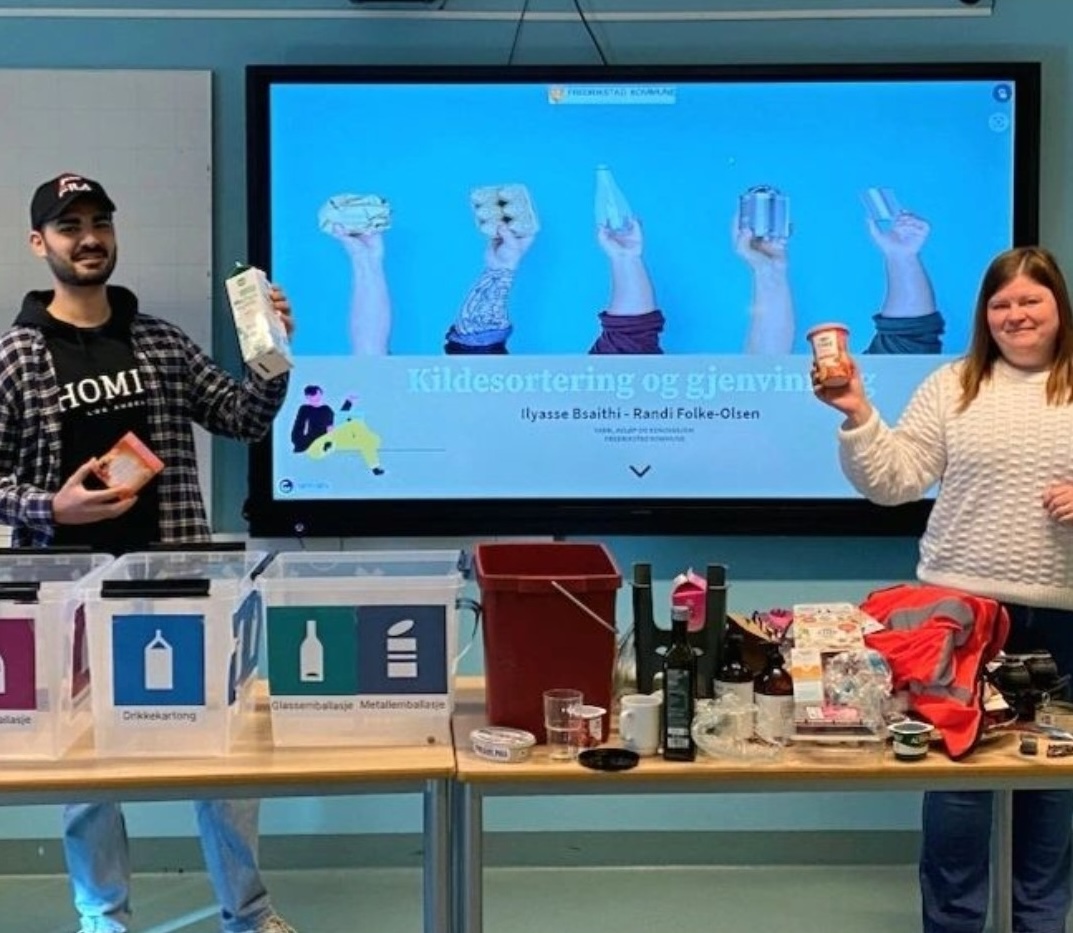
Improper pre-sorting of household waste is one of the biggest challenges in local waste management systems. Experience from Fredrikstad shows that educating children early about sorting, recycling, and sustainability can create long-term behavioral change across entire households. Children act as powerful messengers of sustainable habits, influencing parents and communities.
The Fredrikstad approach combines education, storytelling, and engagement:
- School visits with interactive learning on waste sorting.
- Collaboration between municipal waste departments, schools, and waste treatment facilities.
- A storybook and mascot (“Trygve the Fox”) to make learning fun and memorable.
- Presence at community and family festivals to reach a broader audience.
This holistic method makes sustainability education practical, emotional, and accessible for all ages.
Read more about our experiences with the waste education in schools:
The Most Important Requirements for Success
Define Clear Goals
Identify the main challenge (e.g., poor household sorting) and set specific objectives for behavior change.
Engage Local Partners
Involve your municipal waste department, local schools, and waste treatment plants early. Secure commitment and clarify roles.
Develop Engaging Educational Materials
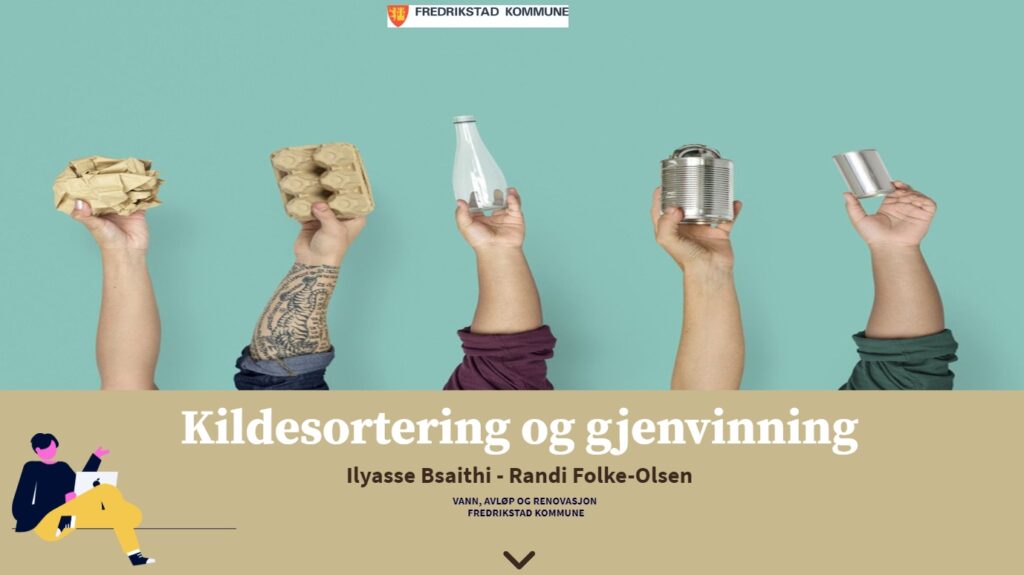
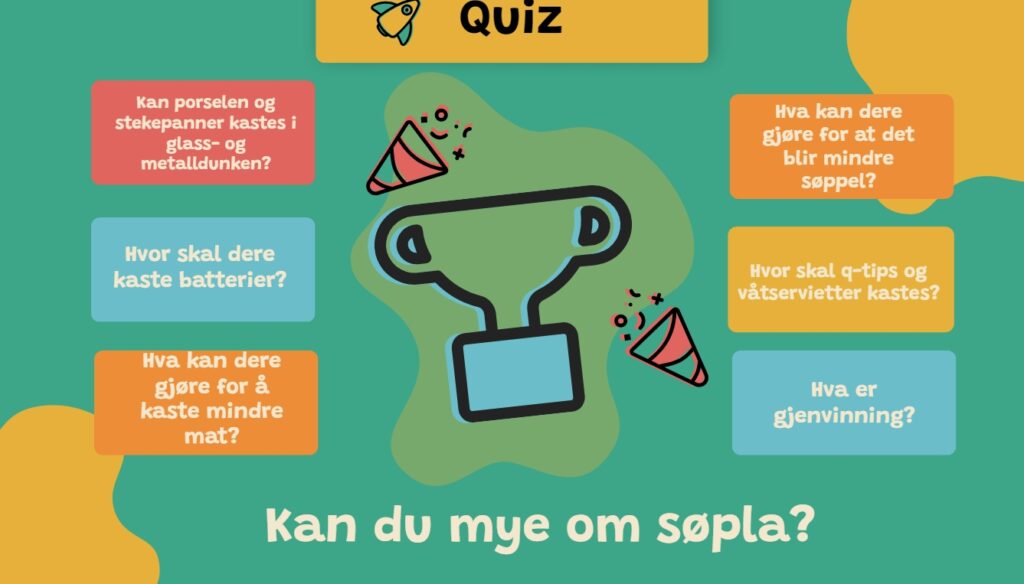
Create colorful presentations, sorting games, posters, and quizzes suitable for children aged 8–10. Base all content on local waste regulations and practices.
Steps to Replicate the Fredrikstad Model for Waste Sorting and Circular Economy Education
By following these steps, any municipality can replicate the Fredrikstad model, creating an engaging, community-driven approach to waste sorting education — one that sparks enthusiasm, empowers children, and builds a culture of sustainability for the future.
Create a Relatable Story and Character
Invent a simple story that explains waste and circular economy concepts through emotion and humor. Design a mascot to represent the story — a friendly figure children can identify with.
Integrate Activities into School Curricula
Coordinate with teachers so that lessons align with sustainability subjects already in the program. Avoid adding extra workload for educators.
Implement Interactive Learning
Combine short lessons with hands-on sorting exercises and quizzes. Use competition and play to reinforce knowledge.
Give Take-Home Materials
Provide diplomas, storybooks, or stickers so children can share what they’ve learned with their families.
Train Teachers and Volunteers
Offer brief instruction or ready-to-use teaching kits to help them run sessions independently.
Expand Outreach to Public Events
Organize educational booths and mascot appearances at festivals, family days, or community fairs. Use these to engage both children and adults.
Evaluate and Improve
Collect feedback from schools, parents, and waste management partners. Adjust content and methods to local needs and results.
Build Continuity and Branding
Use consistent visuals, characters, and messages. Make your mascot or story a recognizable local symbol of sustainability.