
How to Turn Compost Waste into Landfill Biocovers
Author: Mikk-Erik Saidla, Tallinn Strategic Management Office
Tallinn’s Pääsküla landfill demonstrates how closed landfills can achieve significant methane emission reductions through cost-efficient, circular engineering. By replacing expensive virgin soils with a scientifically designed blend of locally sourced scrap compost and crushed demolition waste, the city has created a low-maintenance biocover system that effectively oxidizes residual gases while keeping valuable materials in the loop.
Closed landfills can keep emitting methane for years, because waste decomposition gradually becomes anaerobic and “methane-forming” conditions persist even after closure. Methane is a powerful greenhouse gas, so controlling these residual emissions is a core part of responsible aftercare.
One proven, low-energy option is a microbial methane oxidation system—often called a biocover—where methane is guided through an engineered, oxygenated layer and oxidised by methanotrophic microbes largely into CO₂ and water. The Down To Earth review describes full-scale biocovers and shows that, in an Estonian case, surface methane emissions dropped dramatically after biocovers were installed—demonstrating the effectiveness of this approach, especially for older sites.
Case Study: Passive Aftercare at Pääsküla Landfill
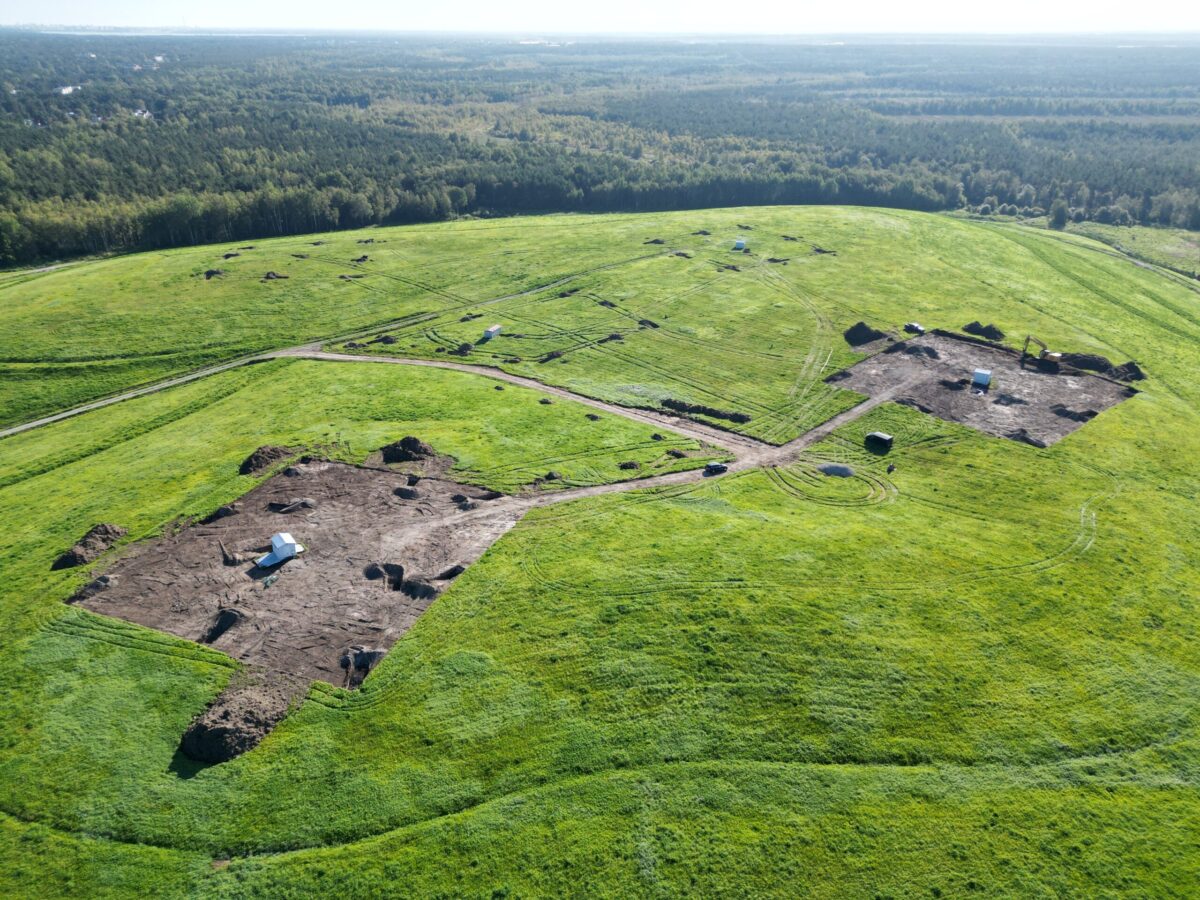
Tallinn’s Pääsküla landfill provides a practical example of how to turn that science into a cost-efficient, circular construction project. The site was finally closed in 2007, and the city’s public information emphasises long post-closure monitoring (at least 30 years, with the possibility of extension), including monitoring of landfill gas and water impacts.
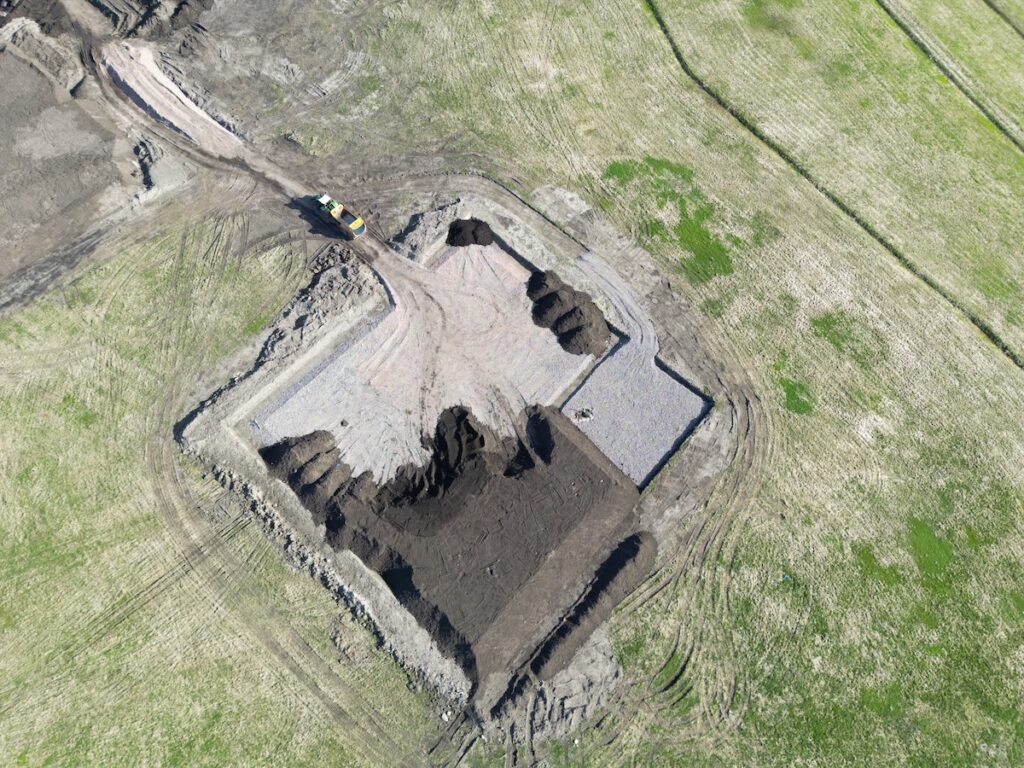
As Pääsküla matured, Tallinn concluded it was no longer optimal to operate the old active gas collection system because gas volumes had fallen and the landfill gas quality had degraded. In 2023 the city began building six biofilters (five at 2,500 m² and one at 450 m²) to treat methane passively before it reaches the atmosphere—explicitly linking the change to lower regular maintenance needs and lower long-term aftercare costs.
Key Innovation: The Circular Material Strategy
The standout “best practice” lesson is the material strategy: build the biocover media from locally available secondary materials rather than expensive virgin soils. In Pääsküla, the biocover/biofilter layers were built mainly from scrap compost and crushed bricks from demolition and construction works—turning two difficult residual streams into a climate-mitigation asset and keeping materials in use. This aligns with broader evidence showing that recycled materials such as compost and crushed brick or concrete aggregates can be successfully used in passive drainage and biofiltration systems for landfill gas.
Tallinn also backed the approach with material testing. A dedicated study for Pääsküla evaluated locally available, otherwise hard-to-use materials—especially scrap composts and mineral materials—and stressed that the key performance bottleneck is hydrophysical behaviour: the main layer must let water infiltrate but also retain enough moisture for stable microbial activity. The study’s central engineering conclusion is clear: no single material is perfect on its own, so biofilters should be built as blends designed to hit target moisture retention and porosity, rather than as a single “one-size” layer.
Practical Construction Checklist
This list captures the Pääsküla logic (and general biocover best practice) looks like this:
- Use monitoring data to understand late-stage gas generation and identify emission hotspots worth prioritising.
- Ensure even gas delivery into the cover (wells/vents plus a gas distribution layer), so methane reaches the oxidation zone uniformly.
- Specify a blended oxidation layer: organics (scrap compost) for biology and moisture, plus mineral structure (e.g., crushed brick) for pore space, stability and drainage.
- Control stormwater (surface grading and drainage) to avoid waterlogging, erosion, or short-circuiting of gas flow.
- Monitor performance after installation and adapt seasonally (moisture management, repair of settlement cracks, hotspot patching).
These elements mirror both Tallinn’s approach at Pääsküla and the broader biocover logic described in international practice.
Pääsküla matters beyond one site because it shows how a city can reduce methane emissions and cut aftercare costs at the same time by applying circular-economy thinking: reuse local residual materials, design the mix scientifically, and shift from maintenance-heavy equipment to robust passive systems when a landfill reaches its low-gas phase.